Finding the Top Valve Manufacturer for Data Centers: Reliability, Efficiency, and Flow Control
Discover the top valve manufacturers, along with the critical role of industrial valves in data center cooling systems and why choosing the right manufacturer is key to facility uptime. This article explores the specific needs of modern data centers—from corrosion resistance to automation—and highlights how valve manufacturers deliver with their high-grade stainless steel inventory, rapid supply chain, and reliable flow control solutions tailored for mission-critical infrastructure.
February 21, 2026 20:41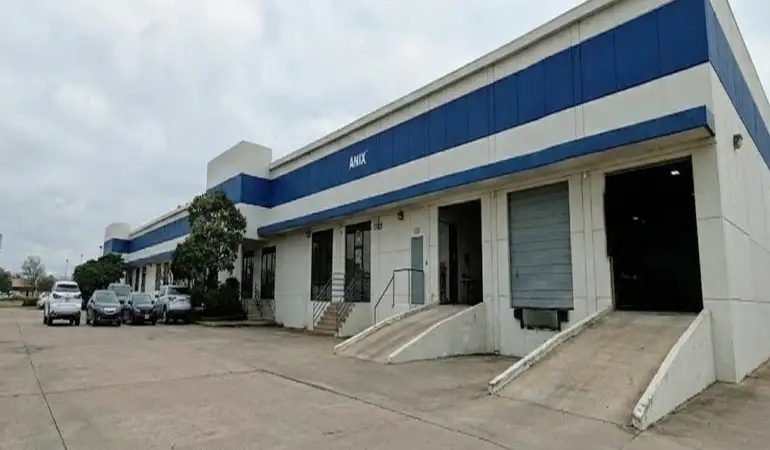
In the high-stakes world of data center management, uptime is everything. While servers, storage arrays, and power distribution units often get the spotlight, there is an unsung hero working behind the scenes to keep these facilities operational: the cooling system. And at the heart of every effective liquid cooling infrastructure lies a network of industrial valves.
Selecting the top valve manufacturer for data centers is not just a procurement detail; it is a critical infrastructure decision. As data centers migrate from air cooling to more efficient liquid cooling and chilled water systems to handle the heat of high-performance computing (HPC) and AI workloads, the demand for precision flow control has never been higher.
In this guide, we will explore what separates a standard supplier from a top-tier manufacturer and why Anix USA is emerging as a preferred partner for mission-critical facility operators.
The Critical Role of Valves in Data Center Cooling
Before identifying the best manufacturers, it is vital to understand the "why." Modern data centers are essentially massive heat engines. To prevent thermal runaway and equipment failure, facilities use complex hydronic systems—chillers, cooling towers, and computer room air handlers (CRAH)—that rely on water or dielectric fluids to remove heat.
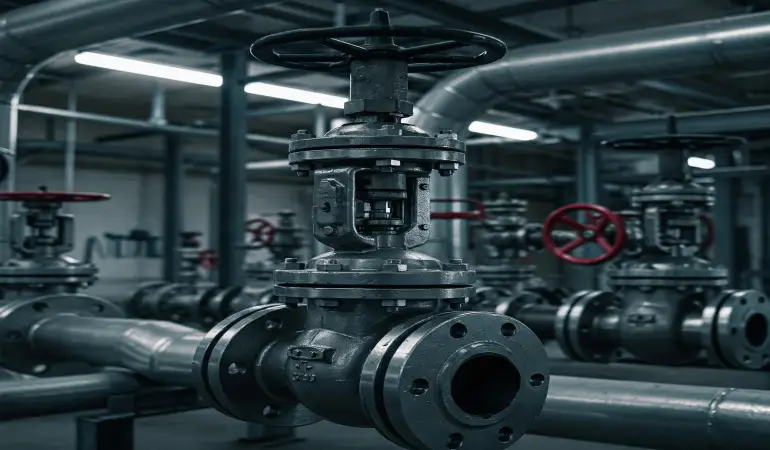
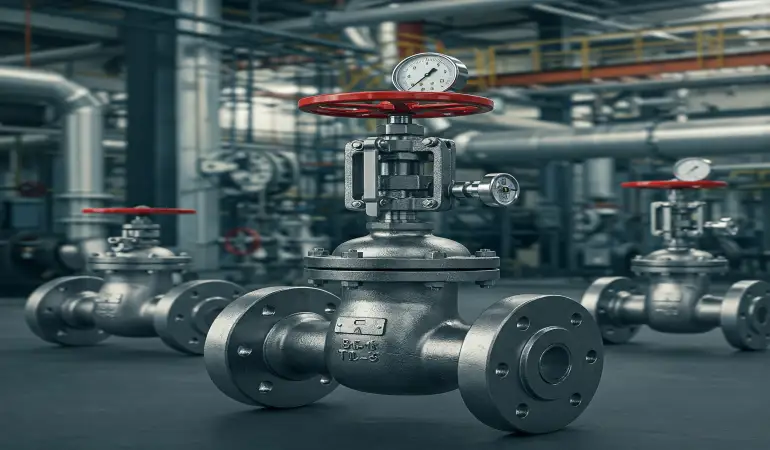
Valves are the traffic controllers of this system. They perform three non-negotiable functions:
Isolation: Shutting off flow to specific rows or racks for maintenance without disrupting the rest of the facility.
Flow Regulation: Modulating the volume of coolant to match the real-time heat load of the servers.
Backflow Prevention: Protecting pumps and sensitive equipment from reverse flow damage.
If a valve fails in a data center, it can lead to leaks (disastrous near electronics) or cooling failures that trigger thermal shutdowns. Therefore, durability and material quality are paramount.
What Defines a "Top" Valve Manufacturer for Data Centers?
When vetting suppliers for data center construction or retrofit projects, facility engineers should look for four key pillars:
1. Material Integrity (Stainless Steel Dominance)
Data center cooling loops, especially those using treated water or specific coolants, are prone to corrosion over time. A top manufacturer must specialize in high-grade stainless steel (316/316L) to ensure longevity. Carbon steel is often insufficient for the cleanliness standards required in modern loops.
2. Supply Chain Agility
Construction schedules for hyperscale and edge data centers are aggressive. A manufacturer that relies solely on overseas shipping with 12-week lead times can bottleneck a project. The best partners have significant domestic stock ready for immediate deployment.
3. Automation Readiness
As Data Center Infrastructure Management (DCIM) software becomes smarter, valves need to be "smart" too. Manufacturers must offer valves that integrate seamlessly with electric or pneumatic actuators for remote monitoring and control.
4. Manufacturing Consistency
You need a partner that controls their production line, ensuring that the ball valve you buy today performs exactly like the one you bought five years ago.
Spotlight: Anix USA – A Leader in Mission-Critical Flow Control
In the search for a top valve manufacturer for data centers,
Here is why Anix USA is becoming the go-to choice for data center mechanical contractors:
Direct Manufacturing & Quality Control
Unlike generic distributors who simply resell third-party products, Anix USA is a manufacturer. They have been producing industrial valves since 1988. This gives them complete control over the casting quality and testing procedures (adhering to API 598 and ASME B16.34 standards). For a data center where a single leak is unacceptable, this level of accountability is crucial.
The "Houston Advantage"
Inventory availability is a common pain point in the industry. Anix maintains a massive warehouse in Houston, allowing them to ship critical components—like stainless steel ball valves and check valves—immediately. For a data center facility manager facing an emergency repair, this speed is invaluable.
Key Anix USA Products for Data Center Applications
Anix offers a specific suite of products that align perfectly with the needs of chilled water and liquid cooling loops:
1. Stainless Steel Ball Valves (2-Piece and 3-Piece)
For isolation duties, Anix’s
Why they work: The 3-piece design allows for easy cleaning and maintenance without removing the end connections from the pipeline. They are rated for high pressure (1000 WOG), ensuring they can handle the surges in powerful pumping systems.
Automation: Many of Anix’s ball valves come with ISO 5211 direct mount pads, making it incredibly easy to attach an electric actuator for integration with the building management system (BMS).
2. Resilient Seated Butterfly Valves When dealing with large pipes (e.g., 6 inches to 24 inches) in the central chiller plant, ball valves become too heavy and expensive.
Why they work: Anix’s
butterfly valves
3. Check Valves (Swing & Spring Loaded) To protect the massive pumps that circulate coolant, check valves are essential.
Why they work: Anix offers
stainless steel swing check valves
4. Y-Strainers Cooling towers attract debris, and even closed loops can accumulate sediment.
Why they work: Anix
Y-strainers
5. Sanitary Valves for Direct-to-Chip Cooling
As the industry moves toward direct-to-chip cooling (where liquid runs directly to the server processor), cleanliness becomes a medical-grade requirement. Anix’s line of
The Future is Automated
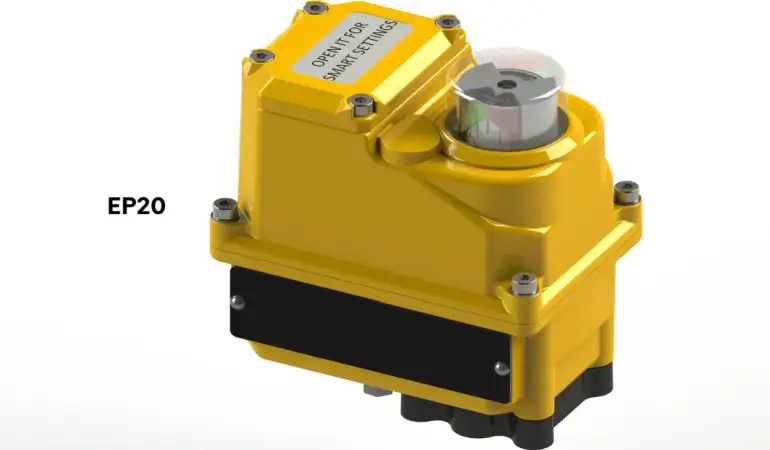
The days of manual valve turning in data centers are fading. Modern facilities demand real-time thermal management. Anix USA supports this shift by offering Electric and Pneumatic Actuators that pair with their valve lineup.
By utilizing Anix’s actuated packages, data center operators can program their cooling systems to automatically divert flow based on server load. If a specific server rack spikes in temperature, the BMS can signal the Anix valve to open further, increasing coolant flow instantly. This not only protects equipment but significantly reduces energy costs by not over-cooling idle zones.
Q&A: Common Questions About Data Center Valves
Q: Why is Stainless Steel preferred over Carbon Steel for data center cooling? A: While Carbon Steel is strong, it is susceptible to rust and corrosion, especially if the water treatment chemistry fluctuates. Stainless Steel (specifically 316 grade) offers superior corrosion resistance. Since data centers require 24/7 uptime for years, the lower maintenance risk of Stainless Steel makes it the standard choice. Anix USA specializes in Stainless Steel manufacturing, ensuring high-grade material composition.
Q: Can I automate Anix USA valves for my Building Management System (BMS)? A: Yes. Most Anix ball and butterfly valves feature ISO 5211 mounting pads. This standard interface allows you to easily mount electric or pneumatic actuators. Anix can even supply the actuators, providing a complete "smart valve" solution ready to be wired into your BMS.
Q: What is the difference between a 2-piece and a 3-piece ball valve? A: A 2-piece valve is more standard and cost-effective. A 3-piece valve, however, can be disassembled for cleaning or seal replacement while the threaded ends remain connected to the pipe. For data centers where cutting pipes for maintenance is a risk, the 3-piece design offered by Anix is often preferred for maintainability.
Q: Does Anix USA offer expedited shipping for emergency repairs? A: Yes. One of Anix’s core strengths is their Houston-based inventory. Unlike suppliers who drop-ship from overseas, Anix stocks a vast range of valves and fittings in the US, allowing for rapid deployment to data center sites across North America.
Q: Are sanitary valves really necessary for data centers? A: For traditional chilled water loops, standard industrial valves are fine. However, for emerging Immersion Cooling and Direct-to-Chip technologies, the coolant must remain exceptionally pure. Sanitary valves (like Anix’s clamp-end butterfly valves) eliminate crevices where contaminants can hide, making them ideal for these high-tech cooling loops.
Conclusion
The cooling infrastructure is the lifeblood of the modern data center. As densities increase, the margin for error decreases. Choosing the right components is no longer just about price—it is about reliability, availability, and future-proofing.
By selecting a top valve manufacturer for data centers like Anix USA, facility managers gain more than just hardware. They gain a partner with deep manufacturing expertise, a massive domestic inventory, and a product line capable of bridging the gap between rugged industrial durability and modern automation needs.
Whether you are building a new hyperscale facility or retrofitting an edge data center, ensure your flow control is in good hands. Visit